
The Best Brand Content Might Not Come From Your Brand
How to design experiences and prompts that make customer/community storytelling more likely
For a long time, brands believed that the best way to promote their brand was to control it completely. Every detail had to be perfectly polished before going live with social media captions, marketing campaigns, and graphics.
That still exists, but today, some of the most impactful content isn’t coming from the brand itself. Instead, it’s coming from the people who experience it.
We see this happen all the time. The moments that people remember and share are not the moments that have been perfectly curated and produced. They are the candid conversations at an event, the customer experiencing a product for the first time, or the employee documenting their day on the job. These stories come from the audience, not the brand itself.
This raises an important question: How can you create experiences that encourage audience storytelling?
The answer isn’t forcing artificially curated content opportunities into every brand moment, social media post, or live event; it’s creating environments where people naturally want to participate and share.
We learned this through our work creating Fiserv’s brand activations at the Milwaukee Night Market. Fiserv wanted to introduce itself as a Downtown Milwaukee stakeholder while connecting with small businesses, job seekers, and the broader community. NEWaukee designed and executed Clover Corner, a branded activation located directly outside Fiserv’s headquarters within the Milwaukee Night Market footprint.
The activation gave attendees more than a logo to notice. It gave them a place to gather, participate, and share. Through interactive activities, lounge-style moments, and highly photographable vignettes, attendees had natural reasons to capture and post their experience. The content did not feel forced because the activation itself was designed to be useful, visible, and engaging.
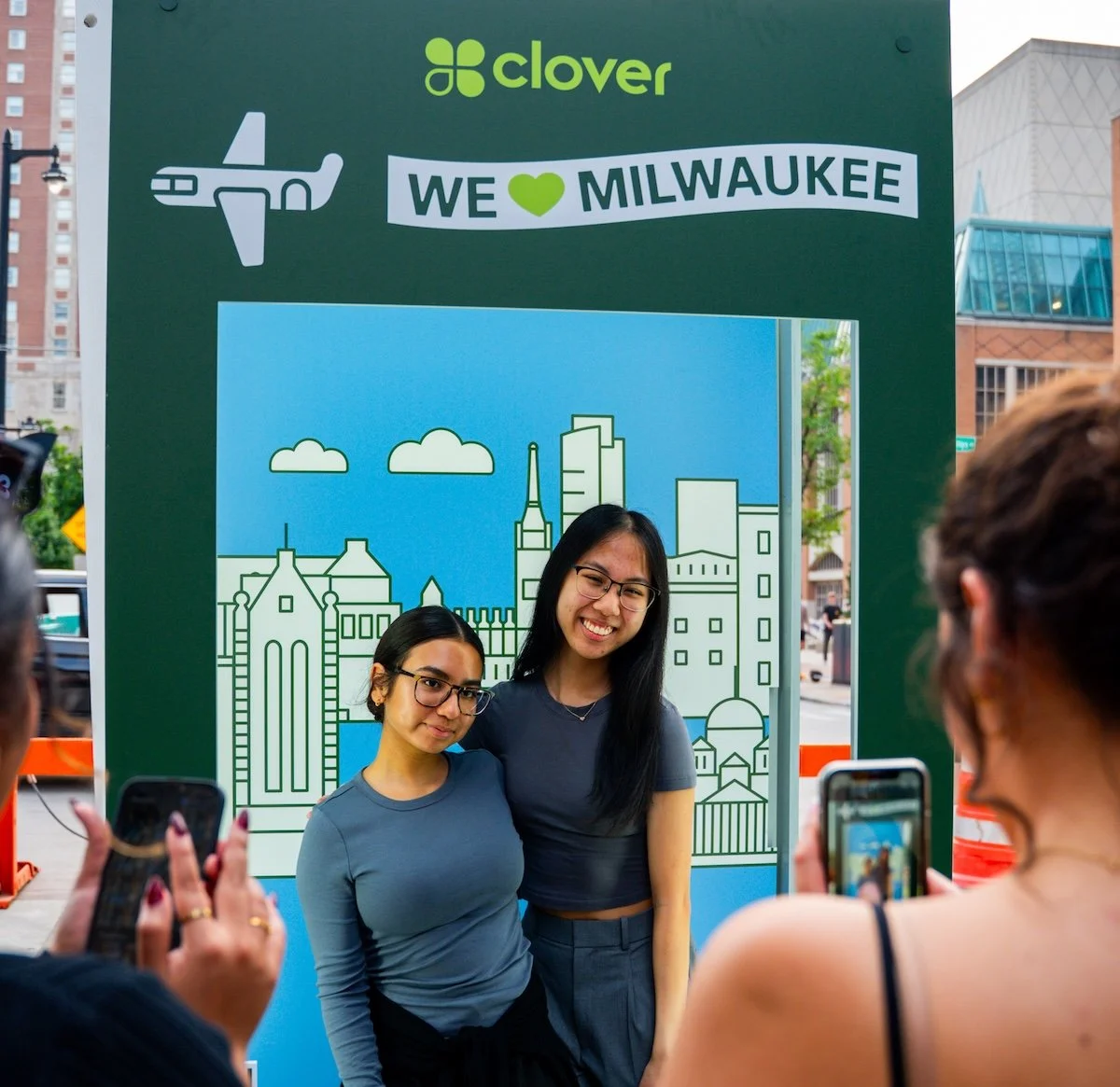
The best community-driven experiences that leave customers wanting to create content have one or more of the following:
Give people something to discover
This could be a hidden detail, a surprising partnership, a guest star, behind-the-scenes content, or a personalized nod. These are all things customers can discover and engage with.
Brands and celebrities do this all the time:
Taylor Swift uses Easter eggs in her social media content, interviews, and songs that keep fans talking, sharing, and speculating about future tours and albums. Taylor plants the seed in her brand, but her fans are the ones watering it.
Spotify Wrapped is built on personalization. Users talk about what will be on their Wrapped for weeks before it drops, sharing predictions, previous top artists, and past listening habits. Each year’s Spotify Wrapped conversation starts before the campaign even launches.
Disney hides Hidden Mickeys throughout its parks. People take pictures, search for them, and share them, amplifying the brand without the company needing to explain every detail.
When something is memorable or personalized enough, people will want to share it. The goal is to create moments and ideas that people want to talk about and share.
Make participation part of the experience
The best and most memorable events aren’t passive. They require audience involvement. At NEWaukee’s events, this looks like:
Collaborative art
Live competitions
Audience interaction
DIY activities
This forces attendees not only to be present, but to engage. Plus, it lets customers take something with them after the event is over to remember the brand. But, this doesn’t just mean a branded t-shirt. It’s something personal, memorable, and something customers actually want to use or care about later.
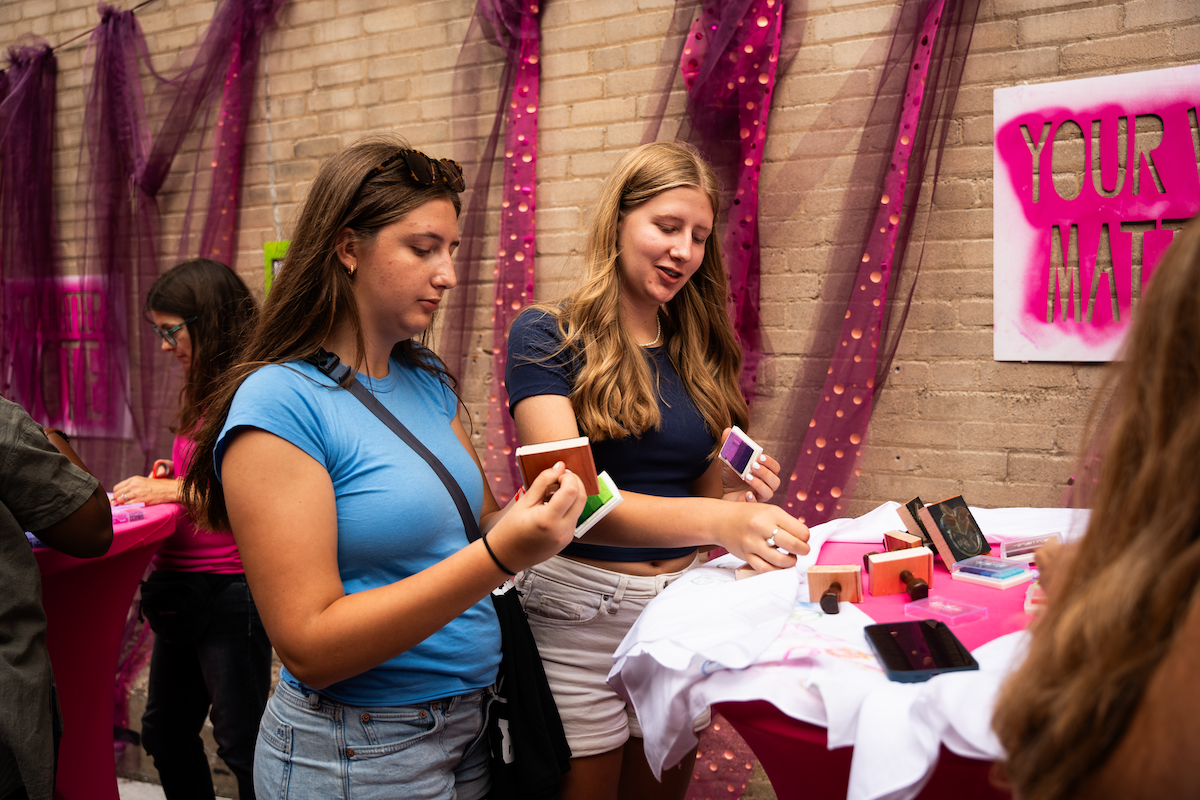
It’s important to give audiences a role, not just a seat. They’ll remember an event so much more if they feel like they’ve helped create an experience or like they brought something to the table.
At NEWaukee, we see this whenever attendees help create the experiences themselves. Whether it’s brand leaders sharing their story on stage, artists painting in front of a live audience, or communities contributing to collaborative projects, audiences will promote your brand for you without any brand intervention.
When someone feels ownership over an experience, sharing it doesn't feel like promoting a brand. It feels like telling a story they were personally part of. That's often where the most authentic and impactful brand content comes from.
Create Prompts, Not Scripts
Attendees are never as engaged when they are being talked at instead of talked with. Even when audiences do share their experiences, it shouldn’t feel like they are kept in a box, like there are only a select few answers that they can choose from. Experiences should not feel like first-day-of-school ice breakers; they should feel like community gatherings.
Instead of scripting what you want people to say, create prompts that encourage authentic responses. This can look like:
Inviting reflection on experiences
Sharing personal stories
Creating conversation starters, not conversation topics
Giving people flexibility in how they participate
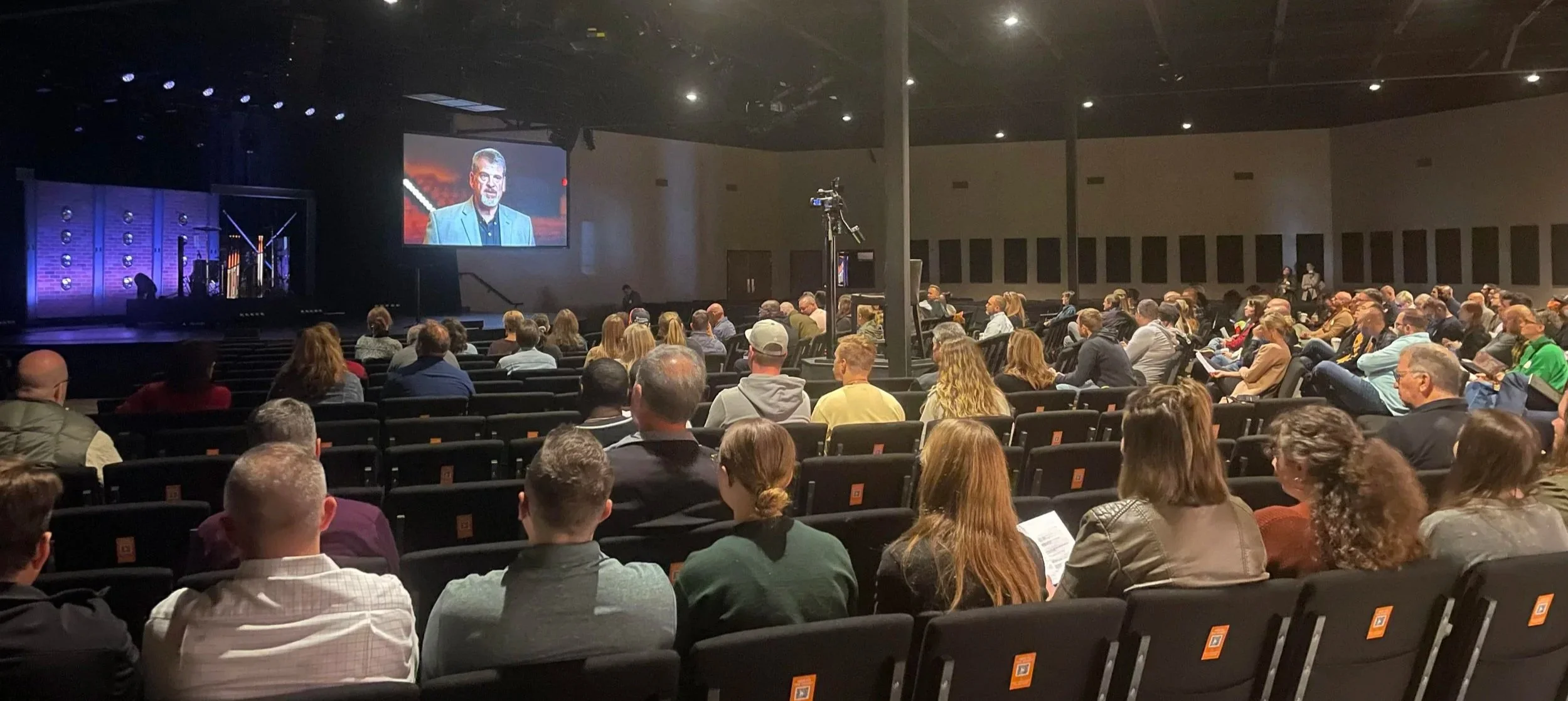
We saw this through the Elevate Summit, produced by NEWaukee for Catalyst Construction. The Summit was designed for a highly specific audience: ministry leaders exploring innovation in leadership, construction, and community-building. Because the experience was targeted, the conversations were able to move beyond generic networking.
Instead of creating a broad event for anyone adjacent to the industry, Catalyst used the Summit to bring the right people into the same room around shared challenges and specific goals. That made the experience more valuable for attendees and more meaningful for the brand. Participants were not just exchanging business cards. They were discussing how to build stronger internal leadership teams and better facilitate connections within their congregations.
That specificity is what made the event work. When an experience is built for the right audience, prompts do not need to feel overly scripted. People already have a reason to participate. The result is a deeper kind of engagement: one based on relevance, trust, and honest conversation.
There are times and places when perfectly curated content is necessary. This crafts the brand voice and attitudes for people to interact with and understand your brand in the first place. On the other hand, some of the most important content doesn’t come from your brand. It comes from your audience.
That happens when you create experiences people remember, share, and talk about after they leave. At NEWaukee, some of the best brand content tied to our work doesn’t come from our website, social media, or our other marketing materials. It comes from the people who experienced something meaningful to them. That is what they wanted to share with others.
That is the difference between simply creating content and creating experiences that people will remember.