
NEWaukee’s Recipe for Creating Joy
What we learned after producing “You Were There”
At NEWaukee we talk about joy a lot.
Not the Instagram kind. Not forced fun. Not branded enthusiasm.
Real joy. The kind that sneaks up on you. The kind that makes strangers sit on the floor together and talk like old friends. The kind that shows up right after tears.
After producing You Were There: A Living Memory of My Youth, we realized something important:
Joy isn’t something you program. Joy is something you design conditions for.
Here’s the recipe we have discovered & mastered:
1. Remove Context
Most events over-explain themselves.
Agendas. Objectives. Talking points. Expected outcomes.
We did the opposite.
Guests arrived at a “living funeral” — a phrase that meant nothing to most people. There were no instructions on how to behave, no script for how to participate. Because nobody knew the rules, nobody worried about doing it wrong.
Titles disappeared. Status disappeared. Everyone started from curiosity.
And curiosity is the beginning of joy.
2. Use Spaces That Don’t Behave Like Event Spaces
Ballrooms tell people how to act.
They suggest posture, performance, and polite conversation.
But when you gather in a place that wasn’t designed for events, like a hallway, a studio, or a strange collection of rooms, people relax. There’s no script for behavior, so people write their own.
We watched guests sit on floors, lean in doorways, and wander without purpose. The environment didn’t demand etiquette, it invited presence.
When a space doesn’t impose expectations, people show up as themselves.
And authenticity is fertile ground for joy.
3. Replace Small Talk With Shared Experience
At a normal gathering, conversations start with sorting:
How do you know the host? What do you do?
Instead, people walked into rooms they didn’t understand together. They laughed, reflected, and pieced meaning together.
We watched strangers skip introductions entirely and go straight to substance.
When people experience something together before they explain themselves to each other, community forms naturally.
4. Lead with Emotion First, Logic Later
Guests cried during the main moment, then wandered into rooms where they laughed, sang, and danced. By the end of the night, memory installations became party rooms.
Unexpected emotional contrast opens people up.
You don’t create joy by keeping things light. You create joy by giving people permission to feel everything.
5. Break Down Social Barriers with Surprise
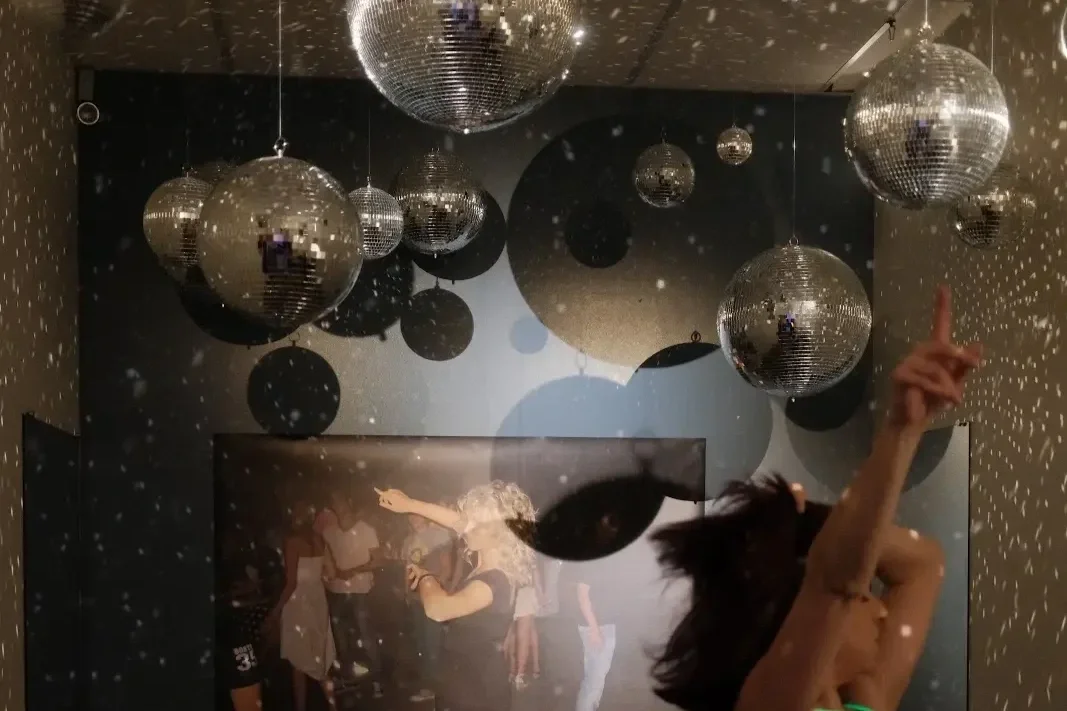
Doors opened to ice cream, actors, childhood memories, disco, and questions nobody expected.
Every surprise reset the room.
Age didn’t matter. Job title didn’t matter. Familiarity didn’t matter. Everyone reacted together.
Surprise makes people present. Presence makes people human. Human connection is where joy lives.
6. Invite Participation, Not Observation
Guests didn’t watch the experience; they moved through it.
They dressed from the decade they met us. They carried laundry. They traded pennies for ice cream. They became part of the story.
The moment someone has agency inside an experience, they stop consuming and start belonging.
Belonging is joy’s natural habitat.
7. Take Emotional Risks First
We often ask clients to push slightly beyond what’s comfortable. This event was us doing it ourselves.
Because no one knew what they were walking into, we could have played it safe. Instead, we leaned in. People left with core memories they’ll carry for years.
Healthy risk-taking doesn’t alienate audiences. It gives them something worth caring about.
The Takeaway
Joy isn’t balloons and upbeat playlists.
Joy happens when people:
feel safe enough to be real
share something unexpected
experience emotion together
allow themselves to be truly present
Design those conditions and joy will appear on its own.
That’s the recipe.